


How Does Burnout Impact Relationships?
Clinically reviewed by Leeor Gal, LMFT
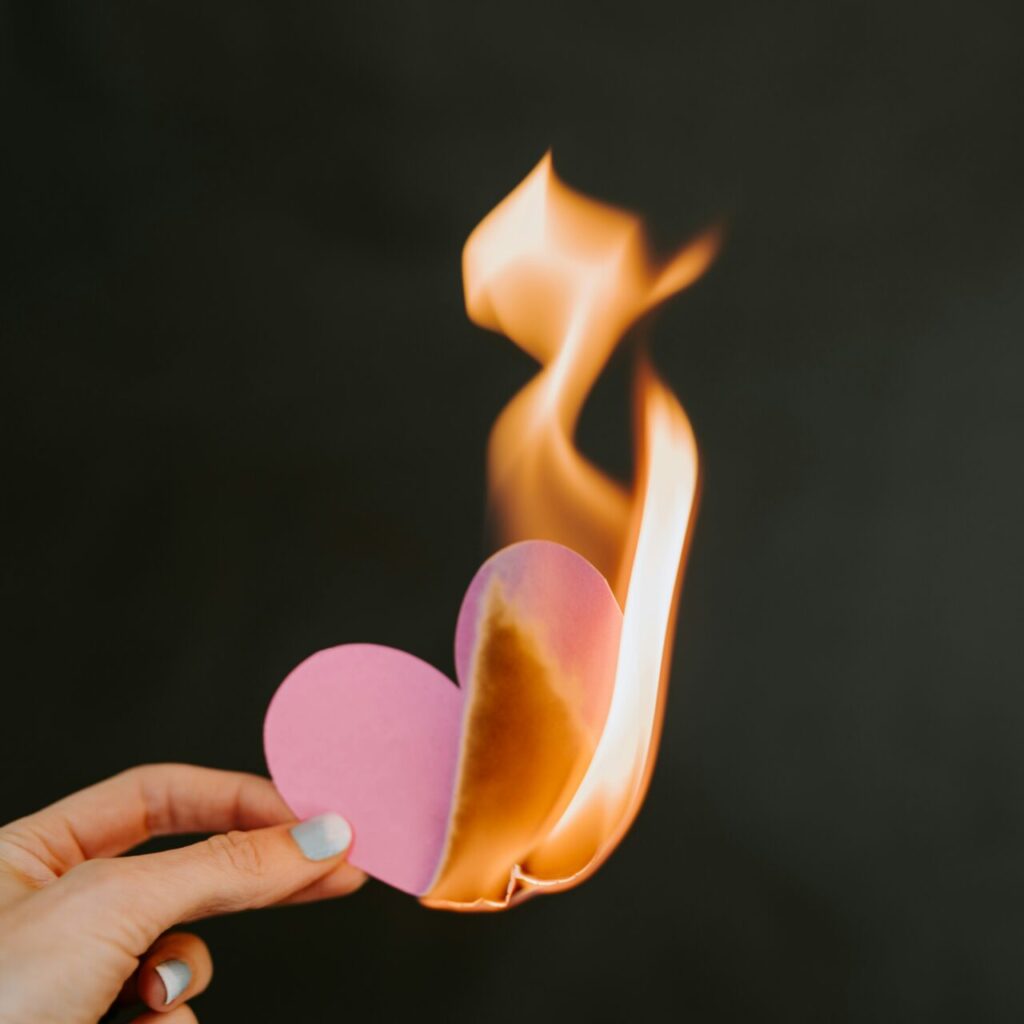
Burnout doesn’t stay at work. It follows you home, sits down at the dinner table, and sleeps next to you at night. And the people closest to you feel it too, even when you’re trying your hardest to keep it contained.
If you’ve been wondering whether burnout is affecting your relationships, you’re asking the right question. The answer, unfortunately, is probably yes. But understanding exactly how burnout shows up in your connections with others can help you figure out what to do about it.
You Have Nothing Left to Give
Burnout is exhaustion at its core. Not just physical tiredness, but emotional and mental depletion too. When you spend all day running on empty, you come home with nothing left in the tank for the people who matter most.
Your partner wants to talk about their day, but you can barely string together a sentence. Your kids want your attention, but you just want silence. Your friends keep inviting you places, but the thought of being social sounds worse than doing nothing.
This isn’t a character flaw. It’s what happens when you’ve been pouring from an empty cup for too long. Relationships need energy and attention to thrive. When burnout steals both, your connections start to suffer.
Small Annoyances Become Big Problems
Ever notice how your partner’s little habits suddenly drive you crazy? The way they chew, how they leave dishes in the sink, their tone when asking a simple question. These things probably didn’t bother you before. Or at least not this much.
Burnout shrinks your tolerance for pretty much everything. Your nervous system is already on high alert from chronic stress. There’s no buffer left to absorb minor frustrations. So things that normally roll off your back now feel like personal attacks.
You might find yourself snapping at people you love over nothing. Then feeling guilty about it. Then being too tired to repair the damage. This cycle creates tension in relationships that didn’t used to have it. The good news is we’ve seen firsthand that our Philadelphia burnout clients often find that working with a therapist helps them reconnect with their loved ones.
You Stop Enjoying Things Together
Remember when you actually looked forward to date nights? Or getting coffee with a friend? Or playing games with your kids? Burnout has a way of draining the pleasure out of activities that used to feel fun.
This happens because burnout changes your brain chemistry. The ongoing stress messes with dopamine and other chemicals involved in motivation and reward. Things that should feel enjoyable just feel like more items on the to do list.
Your partner notices when you seem checked out during activities you used to share. Your friends notice when you keep canceling plans. These patterns create distance even when nobody is doing anything wrong.
Emotional Connection Feels Impossible
One of the sneakiest ways burnout impacts relationships is through emotional withdrawal. You might still be physically present, but you’re not really there. Not in the way that matters.
Sharing your thoughts and feelings takes energy. Listening to someone else’s emotions takes energy. Being vulnerable and open takes energy. When burnout has depleted your reserves, emotional intimacy starts to feel like too much work.
You might notice yourself giving one word answers. Avoiding deeper conversations. Feeling like your partner doesn’t understand what you’re going through, but also not having the energy to explain it. This creates a painful disconnect where you feel alone even in your closest relationships.
Physical Intimacy Drops Off
Stress hormones do a number on your sex drive. When your body is pumping out cortisol all day every day, the chemicals involved in desire and arousal get pushed to the back burner. This is biology, not rejection.
But your partner might not see it that way. Declining physical connection often gets interpreted as loss of attraction or relationship problems. Without talking about what’s really going on, misunderstandings pile up fast.
Even nonsexual physical affection tends to decline during burnout. You might not feel like cuddling, holding hands, or being touched at all. Your body is in survival mode and intimacy isn’t high on the priority list when you’re just trying to get through each day.
Communication Falls Apart
Good communication takes focus, patience, and the ability to regulate your emotions. Burnout compromises all three. Conversations that should be simple become difficult. Discussions about real issues feel overwhelming.
You might avoid bringing up things that bother you because you don’t have the energy for potential conflict. Or you might explode over small things because your fuse is so short. Neither pattern helps relationships thrive.
Partners of burned out people often describe feeling like they’re walking on eggshells. They don’t know which version of you they’ll get. This unpredictability creates stress in the relationship that adds to everyone’s burden.
You Start Feeling Resentful
Burnout often leads to resentment, especially in relationships where you feel like you’re carrying more than your fair share. You might look at your partner and think they have no idea how hard you’re working. How much you’re sacrificing. How close you are to falling apart.
This resentment can simmer quietly or boil over into arguments. Either way, it poisons the relationship. You stop seeing your partner as a teammate and start seeing them as someone who doesn’t appreciate or support you enough.
The tricky part is that burnout often distorts your perception. Your partner might actually be doing plenty, but you’re too exhausted to notice. Or they might genuinely not understand what you need because you haven’t told them.
Your Support System Shrinks
Healthy relationships are supposed to be a source of support when life gets hard. But burnout has a way of pushing people away right when you need them most.
You cancel plans with friends until they stop inviting you. You’re too tired to call your family. You distance yourself from colleagues who might actually understand what you’re dealing with. Before you know it, the people who could help you feel better aren’t around anymore.
Isolation makes burnout worse. And worse burnout leads to more isolation. This cycle is hard to break on your own.
Your Relationship Becomes Another Stressor
Here’s where things get really complicated. When burnout damages your relationships, those relationship problems become additional sources of stress. Now you’re burned out from work and feeling disconnected from your partner. You’re exhausted from life and worried that your friendships are falling apart.
This creates a negative feedback loop where everything feeds into everything else. Work stress harms relationships. Relationship stress makes work feel harder. Both make recovery more difficult.
Breaking this cycle often requires outside help. It’s hard to fix relationship problems when you’re running on empty. But it’s also hard to recover from burnout when your relationships aren’t providing the support you need.
What This Means If You’re Considering Therapy
If you’ve been wondering whether you’re burned out, looking at your relationships can give you useful information. When someone who used to be patient becomes irritable, or someone who used to be affectionate becomes withdrawn, burnout might be the explanation.
Understanding what causes burnout in the first place can also help you see the connection to your relationships more clearly. The same factors driving your exhaustion are probably driving your relational struggles.
Therapy for burnout doesn’t just focus on work stress. It addresses all the ways burnout has affected your life, including your closest connections. Learning to recover means rebuilding the energy and emotional capacity you need to show up for the people you love.
Your relationships aren’t doomed because you’re burned out. But they do need attention. And getting help for yourself is one of the best things you can do for everyone in your life.
If burnout is affecting your daily life, we offer in-person burnout therapy in Philadelphia and Haddonfield. We also offer online sessions for anyone in Pennsylvania or New Jersey.