


Is Online Couples Therapy Effective?
Clinically reviewed by Leeor Gal, LMFT
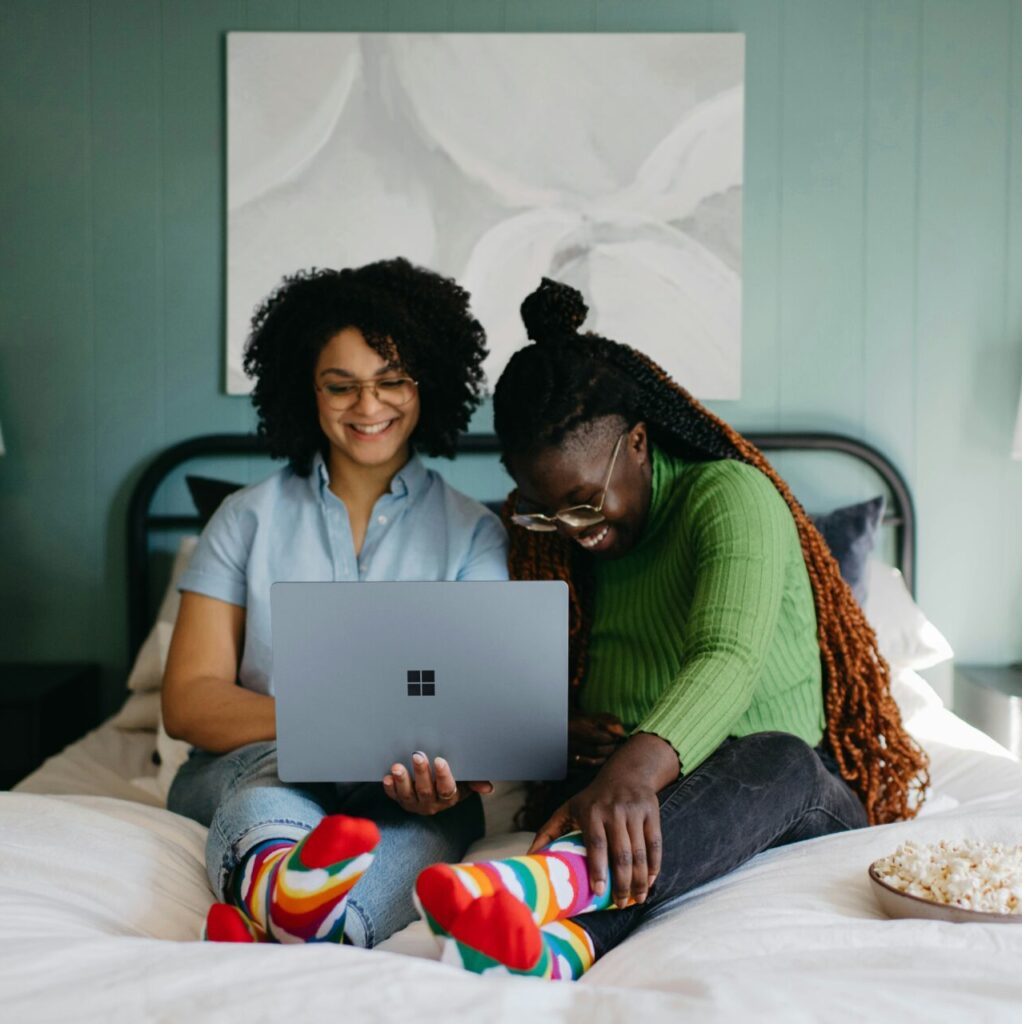
When couples therapy went virtual during COVID, a lot of people assumed it was a temporary workaround. Something you did because you had to, not because it actually worked as well as being in the same room with your therapist.
But then something interesting happened. Many couples who switched to video sessions didn’t want to go back. They found that therapy worked just fine from their couch. Some even preferred it.
The research backs this up. Studies comparing online and in person couples therapy have found no meaningful difference in outcomes. Couples improve at similar rates regardless of format. The connection with the therapist develops the same way. The skills learned stick just as well.
So if you’ve been hesitating because you’re not sure virtual therapy is “real” therapy, you can stop worrying about that part.
Why It Works
A lot of what happens in couples therapy is talking. Learning to communicate differently, understanding your partner’s perspective, working through conflicts with someone guiding the conversation. None of that requires being physically present in the same room.
A skilled therapist can read body language, pick up on tension between partners, and create a safe space for difficult conversations whether they’re sitting across from you or on a screen. The tools and techniques work the same way.
Some couples actually find it easier to open up when they’re at home. The therapist’s office can feel formal and uncomfortable. Your own living room is familiar territory. That comfort can help people be more honest about what’s really going on.
When Online Works Especially Well
Virtual therapy makes sense for a lot of situations.
If your schedules are complicated, online removes the travel time and makes it easier to find an hour that works for both of you. Couples we’ve worked with in Philadelphia often choose virtual sessions because getting across the city during rush hour would turn a one hour appointment into a three hour ordeal.
If one partner is reluctant about therapy, starting online can feel less intimidating. It’s easier to say yes to something you can do from home without taking time off work or sitting in a waiting room.
If you travel frequently or have unpredictable schedules, online means you can keep your appointments consistent even when life gets chaotic.
If you live somewhere without many therapists who specialize in couples work, virtual sessions give you access to people you couldn’t see otherwise.
When In Person Might Be Better
Online isn’t the right choice for everyone.
If you don’t have privacy at home, that’s a problem. Therapy requires being able to talk openly, and that’s hard if your kids might walk in or your walls are thin enough for neighbors to hear.
Some people just prefer face to face interaction. If the idea of doing something this personal over video feels wrong to you, trust that instinct. The format you’re comfortable with is the one most likely to work.
Technical issues matter too. If your internet drops constantly or you’re not comfortable with video calls, those frustrations will get in the way of the actual work.
What Sessions Look Like
The structure is basically the same as in person therapy. You join a video call, usually for about 50 minutes. You talk through what’s been happening, work on whatever skills your therapist is teaching you, and address the issues that brought you in.
The main difference is convenience. No commute, no parking, no waiting room. You can do a session from your office during lunch or from home after the kids are in bed.
Some couples worry the connection with their therapist won’t feel as real over video. In practice, that’s rarely an issue. If you find a therapist you both connect with, the relationship builds naturally regardless of whether you’re in the same room.
Mixing Both Approaches
You don’t have to commit to one format forever. A lot of couples do some combination.
Starting in person can help you get comfortable with your therapist before switching to online for convenience. Or you might do mostly virtual sessions but come in person when you’re working through something especially heavy.
The flexibility is actually one of the advantages. You can adjust based on what’s going on in your lives and what feels like it’s working.
The Real Question
Whether online therapy is effective isn’t really the right question. The better question is whether you’ll actually do it.
If in person sessions mean you’ll skip appointments because of scheduling conflicts or show up stressed from traffic, that’s going to hurt your progress more than the format will help. If online makes therapy accessible and sustainable, that consistency matters more than being physically present.
The couples who get the most out of therapy are the ones who show up regularly and do the work. Whatever format makes that possible for you is the right choice.
Whether you’re feeling stuck or just want to reconnect, we offer in-person couples therapy in Philadelphia and Haddonfield, as well as online throughout Pennsylvania and New Jersey.