You’re tired of feeling disconnected and wondering if this relationship can be saved. We help you see past your defensive positions to understand what each person actually needs.
You’re having the same argument for the hundredth time. One of you shuts down, the other gets louder, and nothing ever gets resolved. You used to laugh together, but now every conversation feels like walking through a minefield. Even simple decisions like where to eat dinner turn into battles about who compromises more.
Couples therapy in Philadelphia helps when you’re tired of having the same fights, feeling disconnected, or wondering if this relationship can be saved. You love each other, but lately you’re roommates who happen to share a bed. The spark feels gone, and you can’t remember the last time you had fun together without it ending in tension.
Couples therapy helps you understand why you keep getting stuck in the same patterns. You learn that most fights aren’t really about dishes or money but about feeling unheard, unappreciated, or disconnected. Once you understand what you’re actually fighting about, you can start addressing the real issues.
After couples therapy, you have actual conversations instead of competitions about who’s more wrong. You learn to fight fair without bringing up things from 2019 or making threats you don’t mean. You develop skills for handling conflict without destroying each other in the process.
You’ll rediscover what you actually like about each other. Couples therapy isn’t just about fixing problems. It’s about remembering why you chose this person and building something better than what you had before.
Our Approach to Couples Therapy
Our couples therapy approach recognizes that both people usually have valid points, even when they seem completely opposed. We don’t take sides or decide who’s right. Instead, we help you see past your defensive positions to understand what each person actually needs.
We help you understand your cycle: how one person’s behavior triggers the other’s response, which triggers the first person again. Once you see the pattern, you can interrupt it instead of playing out the same script every time.
Couples therapy includes practical tools for improving daily interactions. We work on communication skills that actually work in real life, not just therapy speak that falls apart when you’re stressed. We help you rebuild intimacy in ways that feel natural for your relationship.
What to Expect in Sessions
We start by understanding your specific stuck points and what brought you to therapy. You’ll learn to recognize your conflict patterns and practice having difficult conversations where we help you stay connected instead of attacking or withdrawing.
Between sessions, you’ll have homework that actually helps. This might be having one conversation using new communication tools, noticing when you make assumptions about your partner’s intentions, or doing small things to reconnect. We also do individual sessions occasionally when you need space to work through personal patterns affecting the relationship.
The goal is to help you understand each other better and develop new ways of interacting. Most couples start seeing improvements within a few sessions, though deeper changes take time and practice.
Areas We Serve
Our couples therapy practice serves relationships throughout Philadelphia and the surrounding region. Whether you’re navigating city life in Rittenhouse Square or balancing suburban routines in Media, relationship challenges don’t discriminate by zip code.
We work with couples from neighborhoods across the city, including Fishtown, Mount Airy, and Graduate Hospital, as well as those commuting from the Main Line and South Jersey. Many couples find our Center City location convenient whether they’re coming from work downtown or making the drive from the suburbs.
We know it’s hard to find time when you’re both busy, so we offer early morning and evening appointments. We also offer online couples therapy when you can’t make it to the office or just prefer meeting from home.
You might need couples therapy when the same arguments keep repeating, communication starts to break down, emotional distance grows, or trust has been damaged. You may notice you’re more like roommates than partners, fights happen more often than meaningful connection, or major life stressors are pushing you apart. If these patterns feel familiar, this article on signs you need couples therapy can help you see whether professional support might be right for you.
Start this conversation in a calm moment when you’re both relaxed, not in the middle of a fight or stress cycle. Lead with what you want to build together instead of what’s wrong, and focus on connection rather than criticism so your partner doesn’t feel attacked. This page on how to talk to your partner about couples therapy offers practical tips for framing the discussion in a way that invites openness.
In couples therapy your first session is usually about getting to know your relationship, how you met, what brought you in, and what you want to get out of therapy. A therapist will help you set ground rules for productive conversations, guide both partners so they feel heard, and teach new communication skills that you can use both in and outside of sessions. For a more detailed look at what goes on in those sessions, check out what happens in couples therapy.
Most couples spend around 12 to 20 sessions in therapy, which typically works out to about three to five months of weekly appointments. The timeline depends on what you're working through, how long the issues have been going on, and how committed both partners are to the process. Couples dealing with something specific may wrap up sooner, while deeper issues like infidelity or long standing resentment can take six months to a year or more. We break down everything that affects your timeline in our guide on how long couples therapy takes.
Most couples begin with weekly sessions because that rhythm helps you build trust with the therapist and keep momentum as you learn new communication skills and practice them between appointments. Once you’re making progress and skills feel more natural, your therapist might suggest spacing sessions out to every other week or monthly check-ins for maintenance. Regular consistency tends to be more helpful than sporadic attendance, no matter the specific schedule.
Yes. Studies have found no meaningful difference in outcomes between online and in person couples therapy. Couples improve at similar rates, build the same connection with their therapist, and learn skills that stick just as well either way. A lot of what happens in couples therapy is learning how to talk to each other differently, and that works whether you're in a therapist's office or on your couch at home. Some couples even find it easier to open up from their own living room. If you're wondering whether virtual sessions could work for you, we go deeper into how online couples therapy works and when it makes sense.
There isn’t just one best type of couples therapy, but two approaches with the strongest research supporting them are Emotionally Focused Therapy (EFT) and the Gottman Method. EFT focuses on understanding the emotional patterns underneath conflicts while the Gottman Method uses structured tools to improve communication and manage arguments. When choosing an approach, it’s often helpful to learn about the different types of couples therapy so you can find the one that fits your relationship’s needs.
It can. A therapist won't tell you what to do, but they'll help you get clear on what you actually want. A lot of people think they know, but they're really making decisions based on fear, guilt, or habit. Therapy slows things down so you can see your relationship clearly and figure out whether the problems are fixable. There's even a specific approach called discernment counseling that's designed for couples who aren't sure if they want to work on things or move toward ending it. If you're going back and forth, we wrote an article on using couples therapy to decide whether to stay or leave.
For most couples, it’s not too late even when things feel very strained or distant, as long as both partners are willing to show up and do the work. Therapy can still be helpful even after years of patterns or resentment, and for some couples it can even help clarify whether the relationship is worth saving. If you’re wondering whether your situation still has room for growth, this page on whether it’s ever too late for couples therapy explains when therapy can still make a difference.
We are a private pay practice and don't bill insurance directly, but we provide superbills for out-of-network reimbursement. Many of our clients get back a significant portion of their session fees from their insurance company. Check out ourtherapy rates and insurance FAQ for details.
Philadelphia Therapy Office
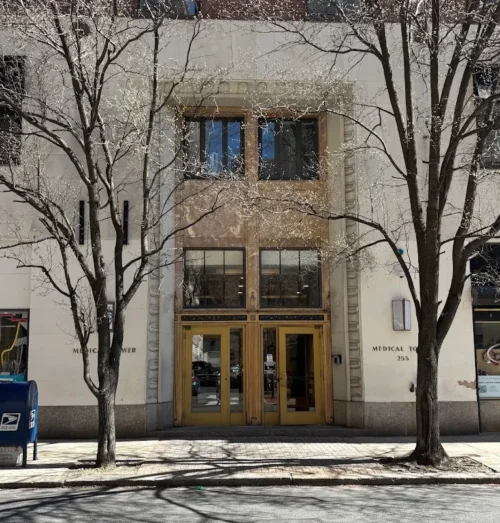
In the heart of Center City Philadelphia, our office offers you convenient access to expert care. With flexible appointment times to accommodate your busy schedule, we’re committed to making your counseling journey as seamless as possible. Also offering online counseling in PA and NJ.
Ready to stop having the same fight over and over? Schedule a consultation to see if couples therapy is right for your relationship. You don’t have to wait until things get worse.