You’re still getting things done, but everything feels twice as hard. We help high-achievers in Philadelphia rebuild their energy and reconnect with what actually matters.
You wake up already tired, and your to-do list feels endless. You’re still getting things done, but everything takes twice as much effort as it should. Burnout isn’t just being busy. It’s feeling emotionally drained by things that used to energize you.
Burnout therapy in Philadelphia helps when you’re functioning but not thriving. You show up and handle responsibilities, but you’re running on fumes. For some, that loss of motivation blends into depression; for others, it comes with a constant edge of anxiety. You’re productive but not passionate, feeling cynical about work and questioning why you’re working so hard when nothing feels satisfying.
Burnout therapy helps you rebuild your energy and reconnect with what matters. This includes relationships that have suffered under your exhaustion. You learn to recognize limits before hitting them and manage workload without sacrificing wellbeing or taking stress out on loved ones. Many supplement with a marriage & relationship counselor to address the full picture.
After burnout therapy, work becomes more manageable. You set boundaries that stick. You stop taking on projects that aren’t your responsibility. You learn to say no without guilt and delegate instead of doing everything yourself.
You’ll rediscover activities that bring you joy. Many people with burnout have forgotten what they enjoy outside of work. Burnout therapy helps you rebuild a life that includes rest, pleasure, and activities that energize you rather than drain you.
Our Approach to Burnout Therapy
Our burnout therapy approach focuses on understanding how you got burned out and what needs to change. We examine your relationship with work, perfectionism, and people-pleasing patterns that contribute to exhaustion.
We help you identify your core values so you can make decisions based on what actually matters to you. This often involves examining beliefs about productivity, success, and self-worth that keep you stuck in burnout cycles.
Burnout therapy includes practical strategies for energy management. We work on setting boundaries, managing perfectionism, and creating separation between work and personal life. We address the guilt that comes with not being productive all the time.
We don’t assume quitting your job is the answer. Sometimes career changes help, but often burnout can be addressed by changing how you approach work and life. We help you figure out what changes will actually make a difference.
What to Expect in Sessions
Burnout therapy sessions are 50 minutes and happen weekly. We start by understanding your specific burnout patterns. What led to this point? What aspects of your life feel most draining? What used to give you energy?
You’ll learn to recognize early warning signs of overwhelm before you crash. This might include tracking your energy levels, noticing when you start feeling resentful, or identifying situations that consistently drain you.
We practice setting boundaries in real situations. This could mean having conversations about workload, saying no to extra commitments, or creating rules about checking email after hours. Many clients discover their burnout has eroded their self-worth, requiring deeper work on rebuilding self-esteem.
Between sessions, you’ll work on rebuilding activities that restore your energy. We might schedule time for hobbies, plan restful weekends, or reconnect with people you’ve been too busy to see.
Areas We Serve
Our burnout therapy services are available throughout Philadelphia and surrounding areas. We work with clients from Center City, Rittenhouse Square, Northern Liberties, Graduate Hospital, etc.
Many burnout therapy clients work demanding jobs in Center City and appreciate our flexible scheduling. We offer early morning, lunch hour, and evening appointments to fit busy professional schedules.
We also see clients from the suburbs who find specialized burnout treatment worth the trip. Main Line and Montgomery County residents often prefer our approach to burnout recovery.
Video sessions are available for established clients who need flexibility due to work travel or scheduling challenges. This helps maintain consistency even when your schedule gets chaotic.
Burnout shows up as physical, emotional, and mental exhaustion that doesn’t go away with rest. You might feel overwhelmed, detached from work or relationships, irritable, or like nothing you do makes a difference. This page on how to know if you are burnt out walks through key signs so you can tell if what you’re experiencing is burnout.
Burnout often develops in predictable stages as stress builds over time. It usually starts with the honeymoon phase where you are highly motivated, then moves into onset of stress, chronic stress, full burnout, and, if left unaddressed, habitual burnout where exhaustion becomes the new normal. This overview of the 5 stages of burnout can help you recognize where you might be in the process.
Burnout arises when ongoing stress is not managed and the demands on you outweigh your ability to recover. It often involves more than just heavy workload, including feeling out of control, lack of reward, weak support, unfairness, and a mismatch between your values and your situation. This explanation of what causes burnout explores these key contributors and why burnout can happen even when work isn’t objectively extreme.
Burnout does not have a set timeline and recovery varies from person to person. Mild burnout may improve in a few weeks, while moderate burnout often takes several months, and severe burnout can take six months to two years or longer to recover. This article on how long burnout typically lasts breaks down why recovery time differs and what to expect.
Burnout doesn’t stay at work and often shows up in your closest relationships because you have less emotional energy to give. It can make small annoyances feel overwhelming, reduce enjoyment in shared activities, and lead to emotional withdrawal, communication problems, and resentment. This page on how burnout impacts relationships explains how exhaustion affects connection, intimacy, and support.
There isn’t a single best therapy for burnout because the right approach depends on what is driving your exhaustion and where you are in the burnout process. Many people find Cognitive Behavioral Therapy (CBT) helpful for changing unhelpful thoughts and behaviors, while others benefit from approaches like Acceptance and Commitment Therapy or Compassion Focused Therapy to reconnect with values and self-care. For deeper patterns that stem from earlier experiences, therapies like EMDR can also be useful. This explanation of what therapy works for burnout outlines these options and why they help.
We are a private pay practice and don't bill insurance directly, but we provide superbills for out-of-network reimbursement. Many of our clients get back a significant portion of their session fees from their insurance company. Check out ourtherapy rates and insurance FAQ for details.
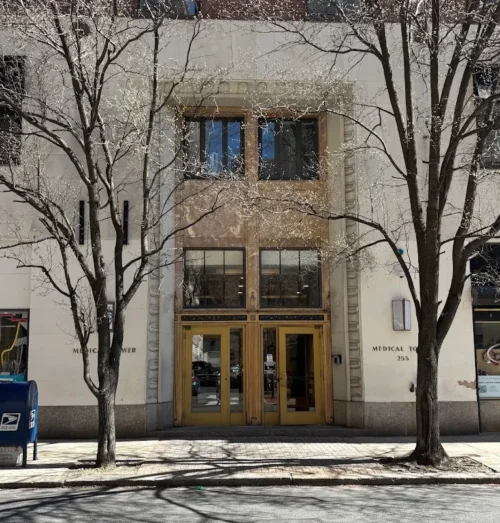
Philadelphia Therapy Office
In the heart of Center City Philadelphia, our office offers you convenient access to expert care. With flexible appointment times to accommodate your busy schedule, we’re committed to making your therapy journey as seamless as possible. Also offering online therapy in PA and NJ.
Ready to stop running on empty? Schedule a consultation to discuss your burnout symptoms and see if our approach is right for you. Most people wish they had started sooner – burnout gets worse when ignored and starts affecting your health and relationships. Contact us today.